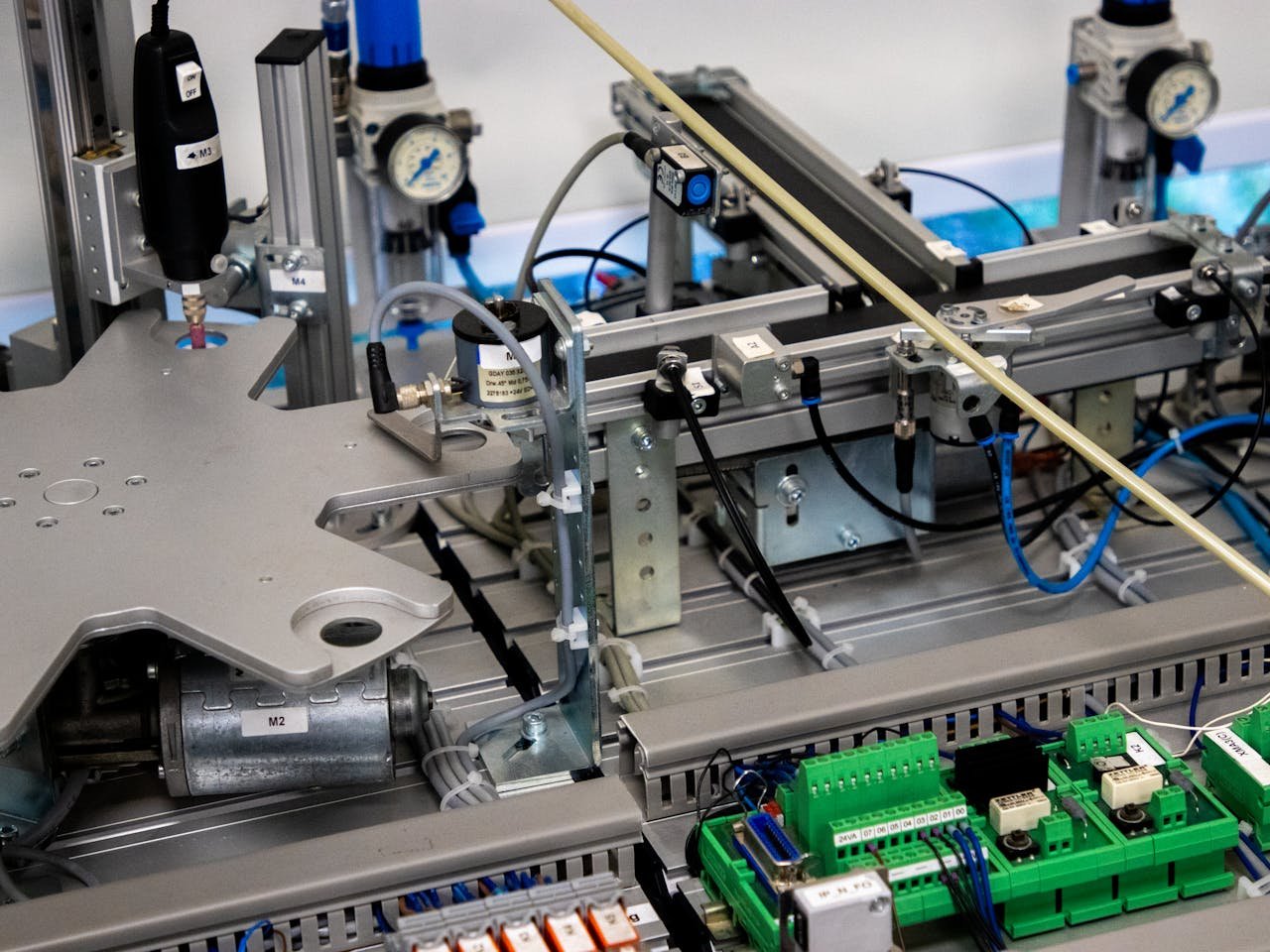
Artificial Intelligence in 2026 is no longer a futuristic concept it is a normal part of how the world works. From offices and hospitals to smartphones and homes, AI systems are helping people make decisions, automate tasks, and solve problems faster than ever. Instead of replacing everything, AI is mostly reshaping how work is done and how daily life is managed.
What Artificial Intelligence in 2026 Really Means
Artificial Intelligence (AI) refers to computer systems that can perform tasks that normally require human intelligence. These include:
- Understanding language
- Recognizing images and faces
- Learning from data
- Making predictions
- Solving problems
In 2026, AI is powered by machine learning, deep learning, and large data systems. These technologies allow software to improve automatically without being reprogrammed every time.
How AI Is Changing Jobs
Artificial Intelligence in 2026 is transforming the job market in three major ways: automation, job evolution, and new careers.
1. Automation of Routine Work
Repetitive tasks are increasingly handled by AI tools.
Examples:
- Data entry and document processing
- Customer service chatbots
- Inventory tracking
- Basic accounting tasks
This reduces time spent on boring work but also means low-skill repetitive jobs are shrinking.
2. Jobs Are Evolving, Not Just Disappearing
Most careers now require working with AI, not competing against it.
For example:
- Doctors use AI to analyze medical scans
- Teachers use AI tools to create lesson plans
- Engineers use AI for design simulations
- Marketers use AI to analyze customer behavior
Human roles are shifting toward decision-making, creativity, and problem-solving.
3. New AI-Related Careers
Artificial Intelligence in 2026 has created demand for:
- AI engineers
- Data scientists
- Prompt engineers
- AI ethics specialists
- Automation consultants
People who understand technology and critical thinking have stronger job security.
How AI Is Changing Business
Businesses use AI mainly to save time, reduce costs, and improve decisions.
Smarter Decision-Making
AI analyzes huge amounts of data faster than humans.
Companies use it for:
- Predicting sales trends
- Detecting fraud
- Managing supply chains
- Setting prices
This reduces guesswork and improves accuracy.
Personalized Customer Experience
AI tracks customer behavior to offer tailored experiences.
Examples:
- Product recommendations in online stores
- Personalized ads
- Smart email marketing
- Voice assistants for support
Businesses that use AI well gain a strong competitive advantage.
Faster Operations
Artificial Intelligence in 2026 helps automate workflows such as:
- Invoice processing
- Scheduling
- HR recruitment screening
- Logistics planning
This allows companies to operate with fewer delays and fewer errors.
How AI Is Changing Daily Life
Many people use AI every day without realizing it.
Smartphones and Apps
AI powers:
- Voice assistants
- Face recognition
- Predictive text
- Language translation
Phones are now personal AI tools.
Smart Homes
Devices like smart thermostats, cameras, and speakers learn user habits and adjust automatically.
Healthcare
AI helps:
- Monitor health through wearables
- Detect diseases earlier
- Recommend treatments
This improves accuracy and saves lives.
Transportation
Navigation apps use AI to predict traffic, suggest faster routes, and improve fuel efficiency. Self-driving features in vehicles are also improving.
Benefits of Artificial Intelligence in 2026
- Faster problem solving
- Lower business costs
- Better healthcare outcomes
- Increased productivity
- More convenience in daily life
Risks and Challenges
AI also brings concerns:
- Job displacement in low-skill roles
- Data privacy issues
- AI bias and unfair decisions
- Overdependence on technology
Governments and companies are working on AI regulations and ethical guidelines to reduce these risks.
The Future Direction
Artificial Intelligence in 2026 shows that the future of work and life is human + AI, not human vs AI. People who learn digital skills, adaptability, and critical thinking will benefit the most.
Conclusion
Artificial Intelligence in 2026 is reshaping jobs, businesses, and daily routines. It automates repetitive work, improves business decisions, and makes life more convenient. At the same time, it demands new skills and careful management of risks. The key is learning how to use AI as a tool rather than fearing it. Those who adapt will find more opportunities than limitations.